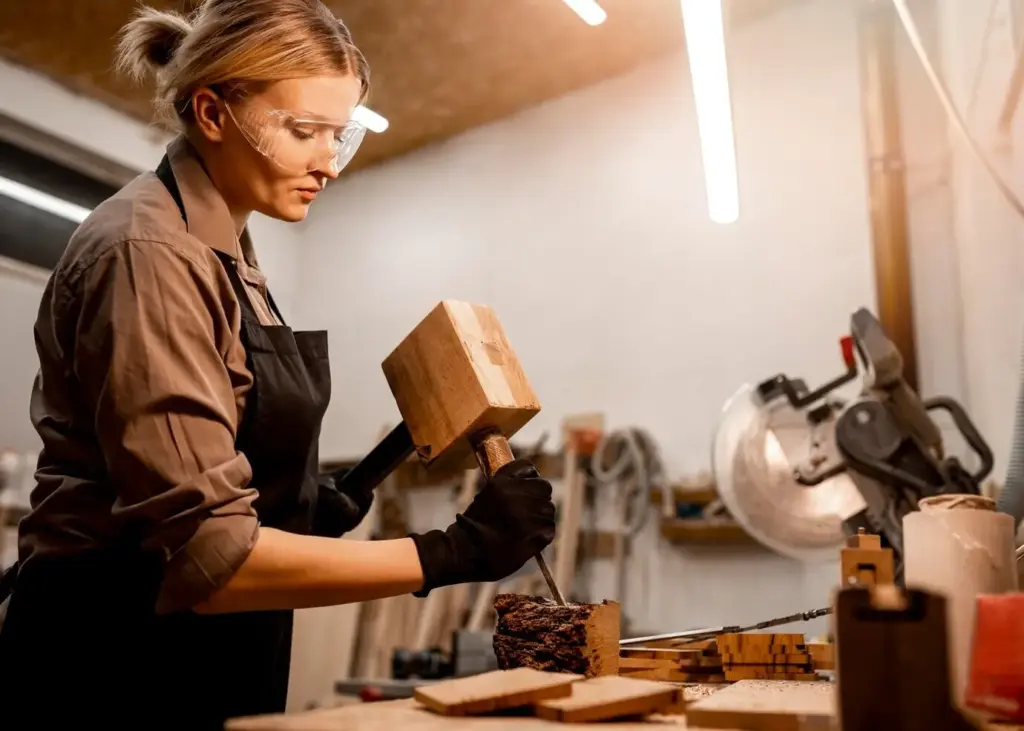
Roots, Rings, and Renewal in Slovenian Woodcraft
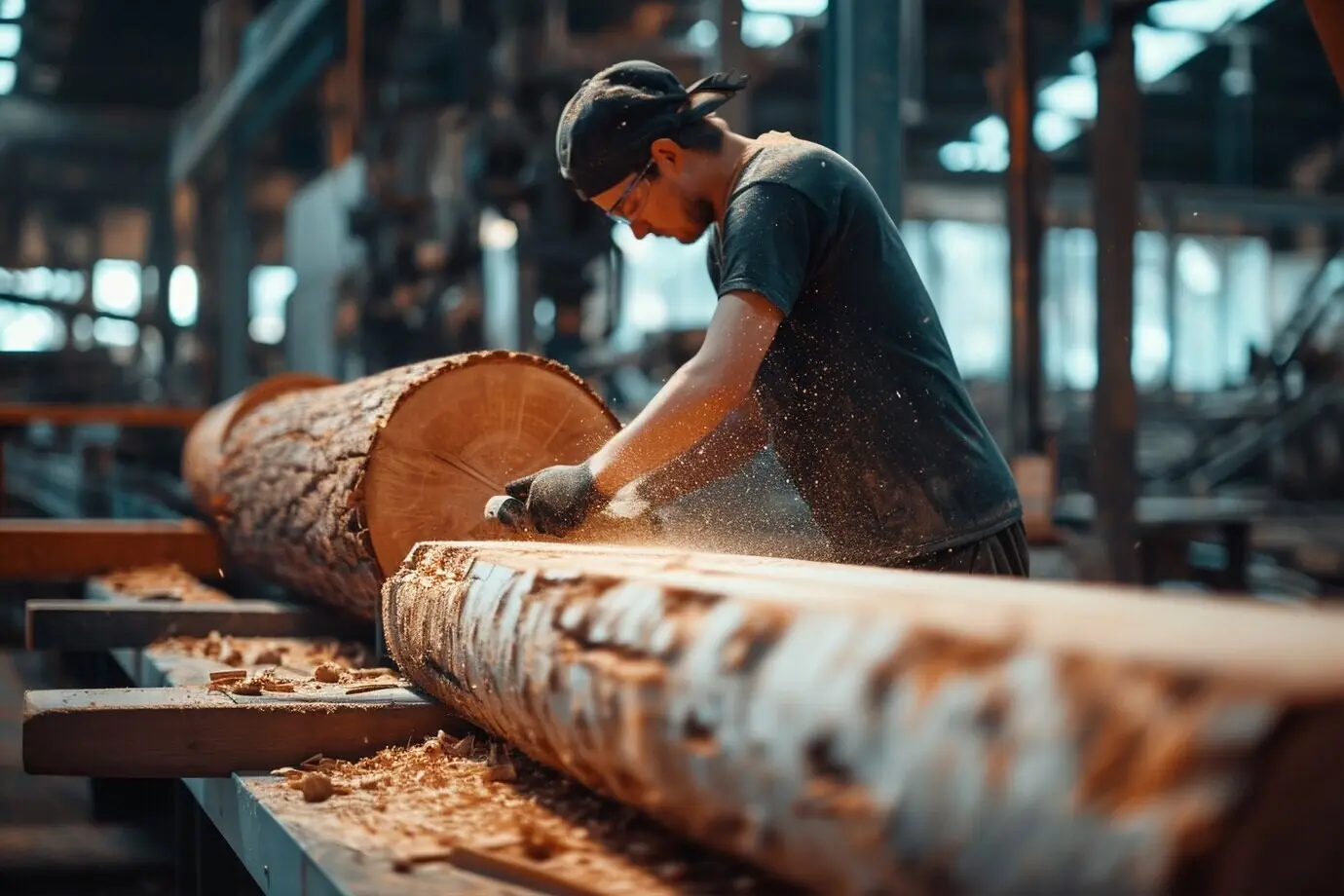
Mixed Woods, Resilient Life
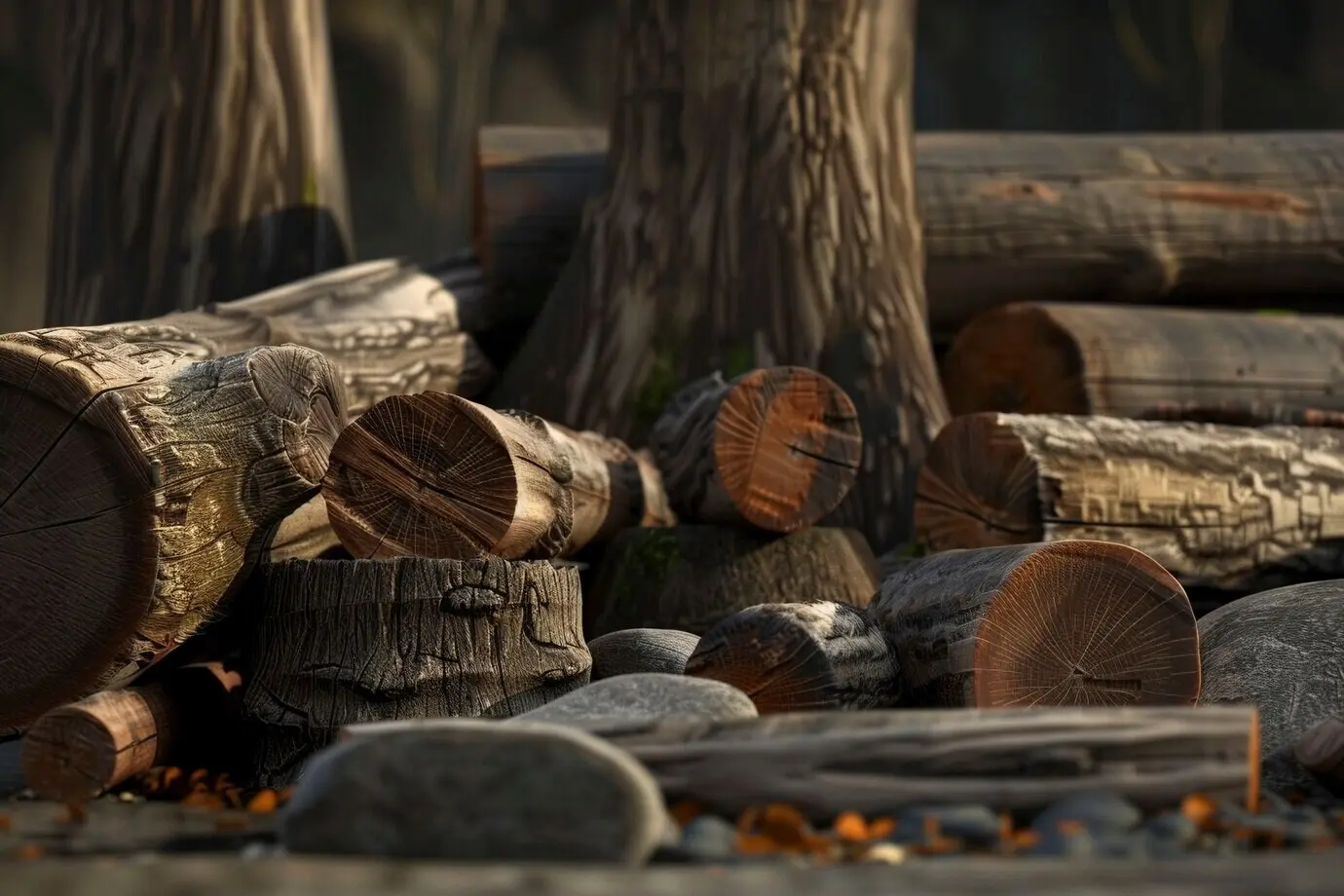
Community Stewardship
Hooves over Heavy Tracks
Seasons, Moonlight, and Moisture
Tools that Tread Lightly
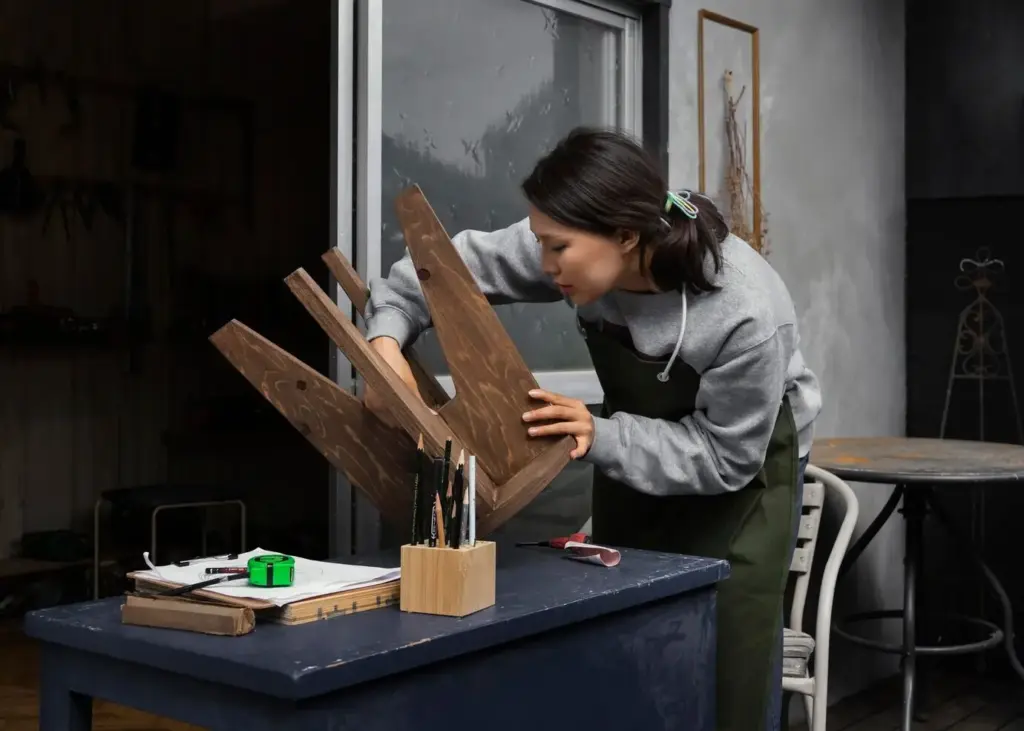
Hands that Remember, Designs that Evolve
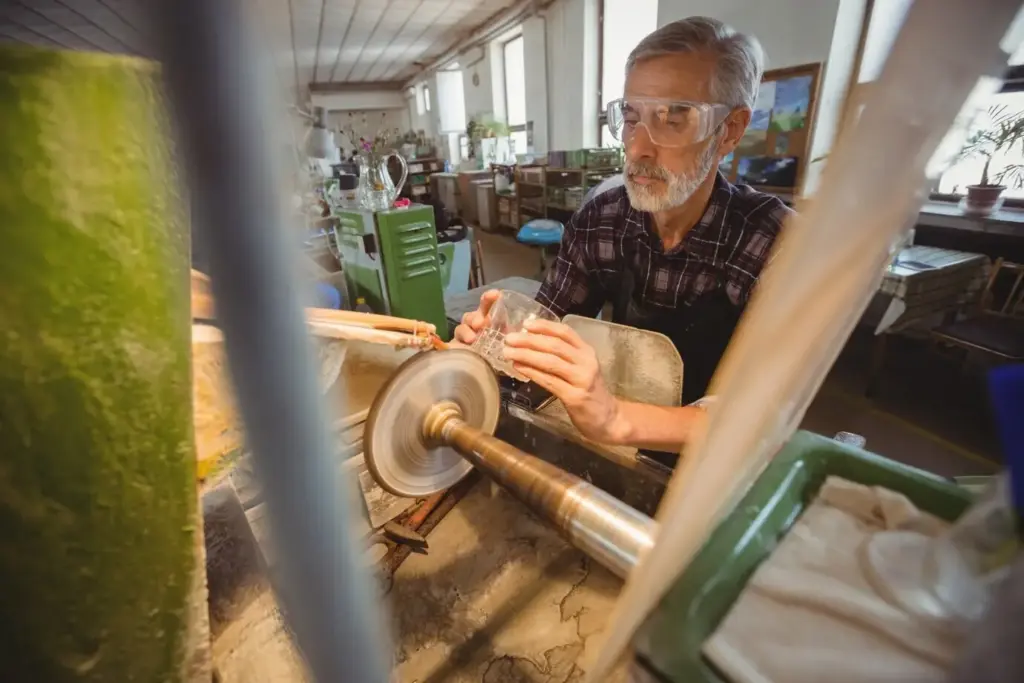
From Log to Lasting Piece
Drying without Drama
Air-drying under deep eaves gives wood time to breathe, with consistent sticker spacing, oriented grain, and careful end-sealing warding off checks. Later, a well-tuned kiln eases moisture to equilibrium rather than racing the clock. Makers log weights, track temperatures, and listen for creaks that warn of internal stress. This quiet discipline prevents future splits, tightens joints, and saves finishes from failure. By the time boards meet the jointer, their calm is a courtesy extended to every step that follows.
Choosing the Right Native
Beech bends obediently for chairs; oak brings tannic strength to tabletops; maple adds clarity under light stains; spruce keeps shelves light yet resonant. Each species carries voice and temperament. Knowing where it grew—shade, slope, companion trees—guides grain selection and glue strategy. Sustainability also means suitability: the right board in the right role lasts longer and wastes less. Ask questions, read end grain, and let purpose lead, so the final piece honors both forest and future households.
Finishes that Breathe
Natural oils, hardwax blends, casein paints, and even traditional soap finishes protect by soaking in, not sealing life away. They smell like linseed and beeswax, cure into repairable films, and age with dignity. A scratch becomes a conversation, not a crisis: sand lightly, re-oil, continue. Low-VOC choices respect indoor air and maker lungs alike. When a finish invites maintenance rather than demands replacement, owners become caretakers, and the furniture stays put, loved, and lively, rather than drifting toward landfill silence.
Furniture that Carries a Landscape
A Chair Named after Triglav
Imagine a dining chair whose crest quietly traces Slovenia’s highest peak, not as souvenir kitsch, but as ergonomic kindness. The curve welcomes shoulder blades; the splay holds on uneven floors; the finish forgives daily life. Prototypes fail, lessons stick, and finally the balance feels inevitable. A small brass pin under the seat records the forest of origin and craftspeople’s initials. Guests notice comfort first, story second—and over years, patina knits design and place into something warmly remembered.
Nothing Wasted, Everything Reimagined
After panels are cut, offcuts queue for second lives: children’s blocks, spatulas, knife scales, pencil trays, even inlay strips that turn mistakes into music. Thin shavings start fires; sawdust briquettes heat kilns; bark mulch cushions garden paths. Waste mapping becomes a creative prompt pinned above the bench, inviting apprentices to propose products from yesterday’s trimmings. Customers love sets that share grain across objects, sensing kinship among pieces. Circular practice here looks like play, thrift, and surprising beauty.
CNC Meets Carver’s Eye
Routers whisper through beech, roughing complex joinery that would strain wrists, while human hands refine intersections where light lingers. Parametric models predict wood movement; seasoned instincts veto risky profiles. The partnership saves time without sacrificing soul: tool marks are chosen, not accidental; edges invite fingertips; tolerances honor glue, not fight it. Digital files track provenance and replacement parts, enabling repairs years on. Technology bows to tactility, proving progress can assist tradition when curiosity leads and ego stays small.
Circles of Use, Care, and Community

All Rights Reserved.