Wander Slovenia’s Handcrafted Pathways
Today, Artisan Trails Across Slovenia: A Slow Travel Itinerary Linking Workshops and Villages unfolds as a welcoming invitation to move gently, meet makers, and trace stories shaped by wood, lace, clay, stone, salt, and mountain milk. We slow our pace to linger in courtyards and kitchens, cross valleys by train and bicycle, and connect studios, markets, and family workshops into a memorable journey that favors patience, listening, and respectful curiosity.
A Map Woven with Mountain Roads and Coastal Breezes
Imagine a route that lets you measure distance not by kilometers but by conversations, where every bend offers a bell, loom, knife, or ladle speaking softly of place. This path loops from riverside capital to karstic plateaus and a bright Adriatic edge, encouraging unhurried detours, rail connections, and bike-friendly stretches. It honors makers’ schedules, seasonal festivals, and the gentle rhythm of daily village life.
Ribnica’s Woodenware Lineage
In Ribnica, suha roba—woodenware for kitchens and fields—survives through families that remember forest sounds and market days. Watch a ladle emerge from maple, smell fresh shavings, and listen for tips about grain direction. Makers often balance heritage designs with small, thoughtful updates. Ask about maintenance, food-safe finishes, and the proud annual fair, then carry a piece that invites daily use rather than dusty display.
Idrija’s Lace Between Fingers
Idrija’s bobbins click like a calm metronome, guiding patterns guarded and shared since miners’ wives turned thread into art. Here, lace is story, skill, and community identity, often celebrated during summer festivals. Learn how motifs carry local meaning, why tension matters, and when to rest tired wrists. If invited, try a row, accept patient correction, and leave with renewed respect for detail that defeats shortcuts.
Bohinj’s Alpine Dairies
In flowered pastures above Bohinj, mountain milk becomes cheeses that mirror weather, grass, and human care. Step into cool rooms, trace palm lines across aging rinds, and hear about dawn routines balanced against storms and seasons. Taste thoughtfully, ask about protected names, and thank the patient explanations that transform a slice into a map of slopes, shelter huts, and the steady endurance of transhumance.
Moving Slowly, Seeing Deeply: Practical Logistics
A slow itinerary loves simple connections: regional trains, local buses, and bicycle spurs that stitch valleys to villages without hurry. Check workshop hours ahead, reserve classes where possible, and plan two nights per stop to absorb more than techniques. Pack lightly, leave room for fragile treasures, and consider shipping options. Most of all, schedule breath between visits so unplanned introductions can become the day’s true highlight.
Hands-on Workshops to Book Ahead
Participating transforms observation into memory. Short sessions can teach a stitch, a cut, or a seasoned patience that enriches everything you notice afterward. Register early, especially near festivals, and choose experiences that emphasize technique over speed. Bring humility, closed shoes, and a notebook. Leave with a beginner’s piece and the maker’s corrections ringing kindly in your ears, reminding you that learning is itself a treasured souvenir.
Join an introductory lace session where bobbins become instruments and diagrams reveal quiet logic. You will struggle, then smile as hands discover the rhythm. Ask about thread choices, pattern repeats, and eye-saving breaks. Support the local school or cooperative, browse contemporary adaptations, and note festival dates. Even a single afternoon reframes displays from fragile ornaments into maps of time, technique, and community collaboration.
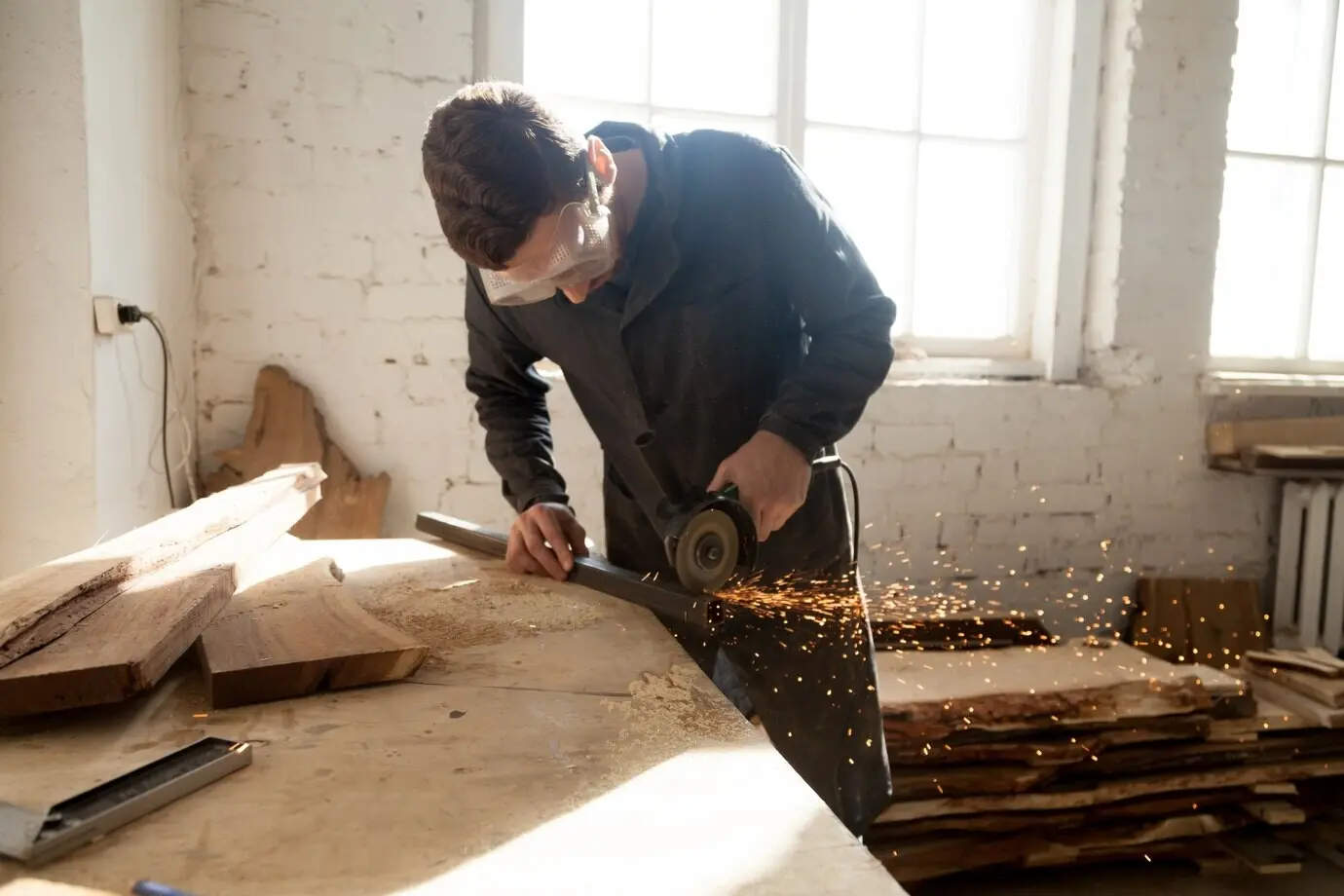
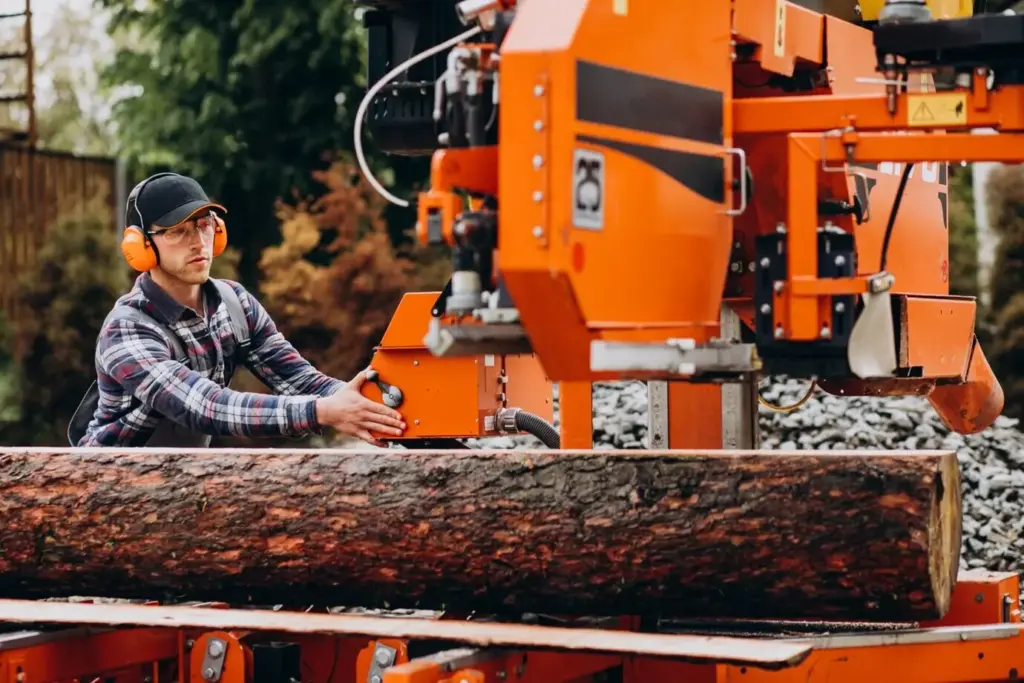
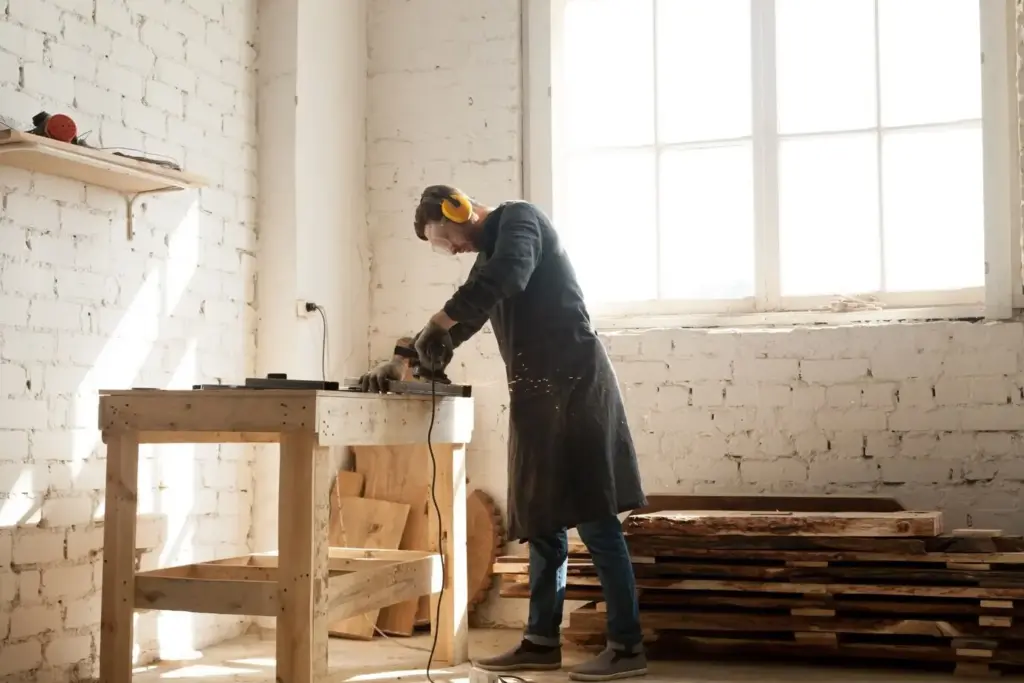
Start with grain reading, continue with safe knife holds, and finish with the soft pride of creating a practical utensil. Sessions emphasize respect for tools, maintenance rituals, and finishing oils that love kitchens. Makers share family anecdotes and market memories that anchor each curve. You leave with a spoon, yes, but also deeper appreciation for forests, livelihoods, and the value of modest, well-made companions.
On coastal flats, guardians of crystallizing pools explain wind, sun, and traditional rakes that tease geometry from brine. Step carefully on narrow paths, feel heat bounce, and taste crystals that capture weather. You learn why harvest timing matters and how heritage tools outlast trends. Afterwards, pair local fish with delicate flakes, and write a note promising yourself to keep seasoning life with patience.
Buying with Care: Ethics, Labels, and Legacy
Responsible purchases preserve skills and landscapes. Ask about origin, materials, and hours invested, then pay fairly without haggling where prices reflect labor. Seek local certification marks and protected names that defend quality, place, and continuity. Favor durable, useful pieces over decorative impulse. Keep maker contacts for repairs, recommend them kindly, and remember that your money votes for the world you hope to revisit.
In many studios, listed prices already honor time, training, and overhead. Rather than bargaining, ask thoughtful questions and express gratitude. If a budget is tight, consider smaller items or cooperative shops. Tip with a sincere review, tag the maker online, and share their story. These gestures circulate trust, strengthen communities, and help ensure that workshops still exist when the next traveler arrives questioning wisely.
Some regional foods and materials carry European protections that connect taste and craft to specific landscapes. You may find labels for Piran salt, Bovški sir, Tolminc, or Kraški pršut, each carrying obligations and pride. Learn what the symbols mean, why they matter, and how they support fair value. When uncertain, ask vendors to explain certification, origin, and seasonal limits that keep authenticity grounded and transparent.
Tastes Between Studios: Slow Food Companions
Eating locally threads comfort through your days. Pair workshops with kitchens that honor seasons: a bowl of jota after rain, a slice of potica during celebrations, or Idrija žlikrofi rewarding careful learning. Vineyard hills offer glasses that echo stone and wind. Ask for house specialties, slow down at lunch, befriend bakers, and let shared tables turn strangers into guides, maps, and future hosts.
Plates Near the Looms and Lathes
After a morning with lace or wood, choose hearty soups, buckwheat dishes, or farmhouse plates that restore attention. Ask for recommendations that reflect nearby fields, dairies, or rivers. Learn to recognize regional breads, simple desserts, and herbal infusions. Record names kindly, so future travelers can find the same warmth. A well-fed curiosity listens better, asks fairer questions, and remembers long after schedules blur.
Vineyards as Quiet Classrooms
Tastings in Vipava or Goriška Brda reveal limestone, breezes, and skilled patience inside each glass. Let vintners explain slopes, harvests, and choices that prioritize character over speed. Pair pours with cheeses or cured meats bearing protected names, and ask how weather shaped recent years. Book transport or walk safely, and trade stories with nearby artisans who often teach hospitality as generously as technique.
A Seven-Day Slow Itinerary You Can Trust
This outline favors short hops, two-night pauses, and conversations that bloom when you are not rushing. Adjust for seasons and festivals, and always confirm workshop hours in advance. Trains and buses carry you most of the way; bicycles and feet complete the connections kindly. Build buffer time, chase fewer checklists, and let unplanned invitations replace hurried boxes waiting for satisfying, mindful ticks.

All Rights Reserved.